
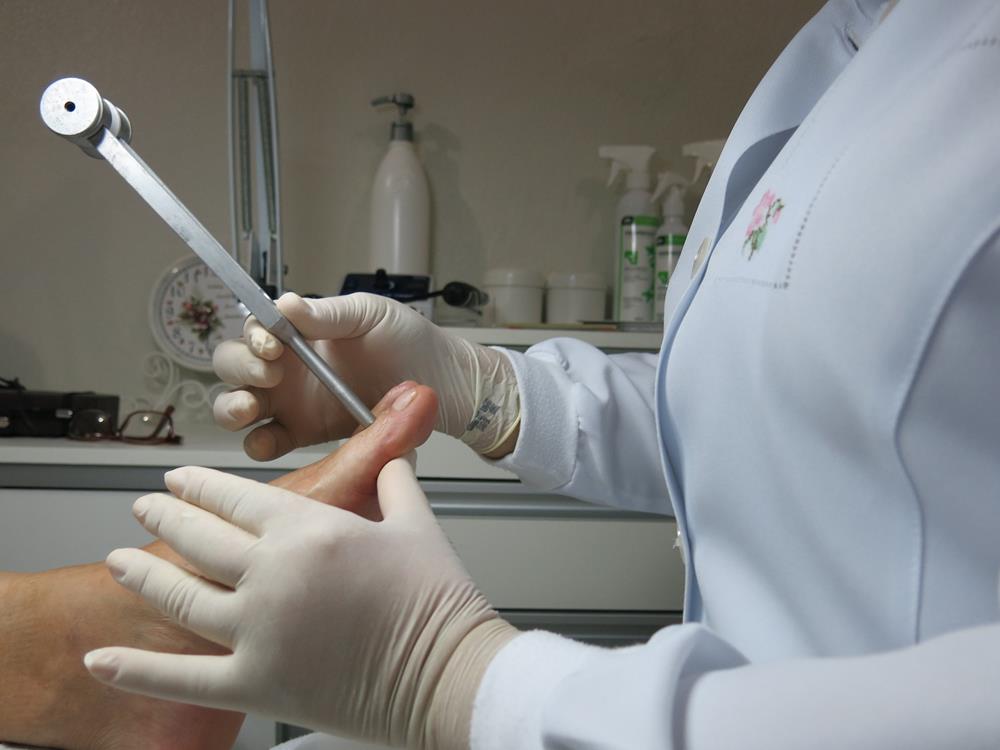
Diabetic Foot Care in Maryland
Diabetes is a chronic disease that causes high blood glucose (sugar) levels. Over time, it weakens the immune system, making it harder for your body to fight off infections, and it can damage the nerves that let you feel sensations in your feet. At Foot Centers of Maryland, we help patients with diabetes in Baltimore, Glen Burnie, Timonium, and Reisterstown, MD protect their feet, prevent injuries, and catch problems before they become serious.
Request an AppointmentHow Diabetes Affects Your Feet
Damage to your nervous system can affect your feet’s ability to produce sweat and the natural oils that keep skin soft and lubricated. Without that protection, the skin can dry out and crack, and the bones and joints of the foot become more vulnerable to injury. Many people with diabetes also develop reduced circulation, which slows healing and makes it harder for the body to fight infection.
Because of nerve damage, people with diabetes sometimes do not notice sores or injuries on their feet until the problem has become advanced. That is why it is so important to maintain good foot health, check your feet daily, and seek treatment right away when an injury is present.
The Number One Cause of Diabetic Foot Injury
Poorly fitting shoes are the number one cause of foot injury in people with diabetes. Shoes that rub, pinch, or apply too much pressure can create blisters and sores that may go unnoticed. Red spots, sores, blisters, corns, calluses, or any persistent pain should always be taken seriously. Properly fitted footwear, along with protective custom orthotics when needed, is one of the best ways to prevent injury.
Warning Signs to Watch For
- Numbness, tingling, or burning in the feet
- Cuts, blisters, or sores that are slow to heal
- Redness, warmth, swelling, or drainage
- Changes in skin color or temperature
- Thick, discolored, or ingrown toenails
- Corns and calluses that keep coming back
Prevention Is the Key
If diabetes has been poorly managed, you may be at higher risk for nerve damage in the feet, leaving you with decreased feeling and a greater chance of injury. When foot problems are left untreated, they can lead to serious complications such as losing a toe, foot, or leg. Regular podiatry exams, safe nail and callus care, proper footwear, and prompt wound care dramatically lower that risk. Learn more about our comprehensive diabetic foot care program and how we monitor nerve and circulation health.
Daily Foot Care Tips for People with Diabetes
- Inspect your feet every day, including between the toes
- Wash and dry your feet carefully and moisturize, but not between the toes
- Never walk barefoot, even at home
- Wear well-fitting shoes and clean, dry socks
- Do not trim corns, calluses, or thick nails yourself
- Keep your blood sugar within the range recommended by your doctor
Diabetic Foot Care FAQs
Why is foot care so important for people with diabetes?
Diabetes can cause nerve damage and poor circulation, which makes it easy to miss small injuries and harder for them to heal. Without proper care, minor sores can become infected and lead to serious complications, including amputation.
How often should I see a podiatrist if I have diabetes?
Most people with diabetes should have their feet examined at least once a year. Patients with neuropathy, poor circulation, or a history of ulcers usually need more frequent visits.
What shoes are best for diabetic feet?
Choose shoes with a roomy toe box, good support, and no seams or rough areas that rub. Diabetic shoes and custom inserts may be recommended to protect high-pressure areas.
Can I trim my own toenails if I have diabetes?
If you have neuropathy, poor circulation, or thick nails, it is safest to have your nails trimmed by a podiatrist to avoid cuts that could become infected.
What should I do if I find a sore on my foot?
Keep weight off the area, keep it clean and covered, and call our office right away. Early treatment is the best way to prevent infection.
Can diabetic foot problems be prevented?
Many problems can be prevented with daily foot checks, good blood sugar control, proper footwear, and regular podiatry visits.
Does Medicare cover diabetic foot care?
Medicare may cover certain diabetic foot exams, nail care, and therapeutic shoes for qualifying patients. Our staff can help you understand your coverage.
Protect Your Feet with Expert Diabetic Foot Care
Regular exams are your best defense against diabetic foot complications. Call (410) 844-4700 - Overlea Office, Mercy Office, Reisterstown Office, Glen Burnie Office, or Lutherville Office or request an appointment at our Overlea, Mercy, Glen Burnie, Lutherville, or Reisterstown office.