Flat Feet (Pes Planus) Treatment in Maryland
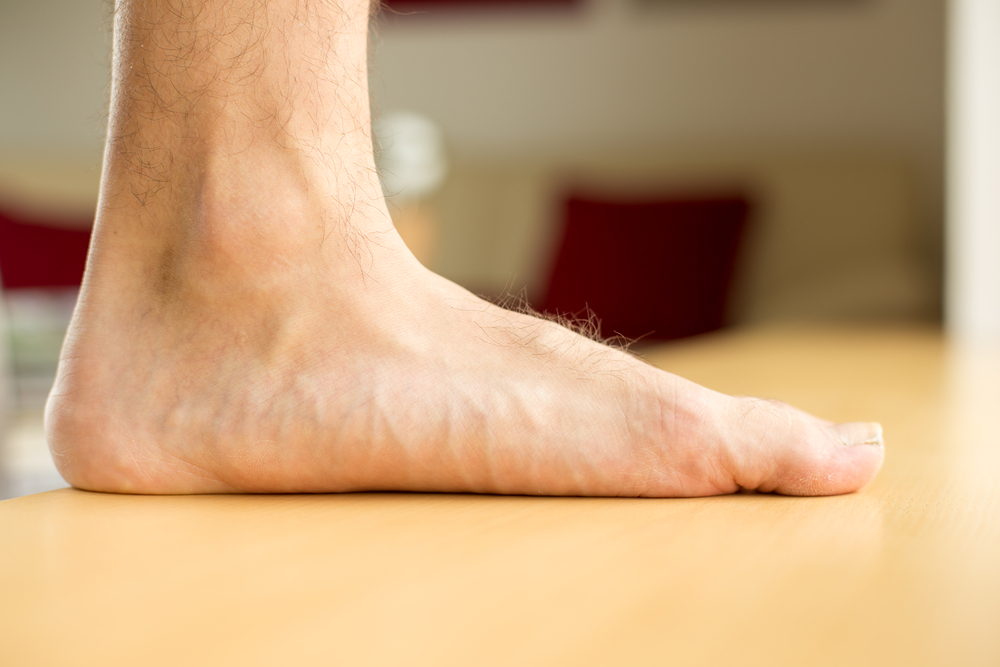
Flat feet, or pes planus, occur when the arch of the foot collapses so the entire sole touches or nearly touches the ground. In adults, flat feet are often acquired as the posterior tibial tendon weakens. The condition can lead to chronic foot, knee, and hip pain and postural problems. The podiatrists at Foot Centers of Maryland treat flexible and rigid flat feet for children and adults in Baltimore, Glen Burnie, Timonium, and Reisterstown, MD.
Request an AppointmentCauses of Flat Feet
- Genetics and Bone Structure: An inherited tendency toward naturally flat or loose-jointed feet.
- Posterior Tibial Tendon Dysfunction: Weakness or rupture of the tendon that supports the arch.
- Trauma: Injuries to the foot or ankle that damage tendons or bones.
- Arthritis: Joint damage in the midfoot. See arthritic foot conditions.
- Obesity: Excess weight places significant stress on the arch.
Complications of Flat Feet
Flat feet change the way your body absorbs force with each step. Over time, they can contribute to plantar fasciitis, Achilles tendonitis, shin splints, bunions, and chronic knee, hip, and lower back pain.
Symptoms of Collapsed Arches
Not all flat feet are painful, but when symptoms occur, they usually involve the arch and ankle:
- Arch or Heel Pain: Aching or burning along the bottom of the foot, especially after activity.
- Ankle Rolling: The ankle appears to roll inward excessively.
- Swelling: Swelling along the inside of the ankle.
- Leg Fatigue: Tired or aching legs at the end of the day.
- Uneven Shoe Wear: Excessive wear on the inside edge of your shoes.
Flexible vs. Rigid Flat Feet
A flexible flatfoot has an arch when you are sitting or standing on your toes, but the arch disappears when you stand. A rigid flatfoot has no arch in any position and is more likely to cause pain and require advanced treatment. Children with flat feet may also have related walking patterns; learn more about pediatric foot problems.
Treatment and Correction Options
- Custom Orthotics: The most common and effective treatment for flexible flat feet, stabilizing the heel and supporting the arch.
- Supportive Footwear: Shoes with firm heel counters and good arch support.
- Physical Therapy and Bracing: Strengthening supporting muscles and stabilizing the ankle.
- Anti-Inflammatory Care: Reducing pain and swelling from tendon strain.
- Surgical Reconstruction: For severe, rigid deformities or extensive tendon damage, procedures such as tendon transfers or joint fusions can rebuild a functional arch. Learn more about foot and ankle surgery.
Flat Feet FAQs
What are flat feet?
Flat feet occur when the arch of the foot collapses so most or all of the sole touches the ground when standing.
Are flat feet a problem?
Not always. Many people with flat feet have no pain, but flat feet can contribute to arch pain, heel pain, tendonitis, and knee or back pain.
What causes flat feet in adults?
Adult-acquired flat feet are often caused by weakening of the posterior tibial tendon, along with injury, arthritis, or excess weight.
Can orthotics fix flat feet?
Orthotics do not permanently change the shape of the foot, but they support the arch, improve alignment, and relieve symptoms very effectively.
Do children grow out of flat feet?
Many children have flexible flat feet that improve as they grow. Children with pain or rigid flat feet should be evaluated.
When is surgery needed for flat feet?
Surgery may be recommended for rigid flatfoot deformities or severe tendon damage that does not respond to conservative care.
What shoes are best for flat feet?
Supportive shoes with a firm heel counter, structured arch support, and stable soles work best, often combined with custom orthotics.
Get Support for Your Flat Feet
Relieve arch pain and protect your joints. Call (410) 844-4700 - Overlea Office, Mercy Office, Reisterstown Office, Glen Burnie Office, or Lutherville Office or request an appointment at our Overlea, Mercy, Glen Burnie, Lutherville, or Reisterstown office.