Plantar Fasciitis Treatment in Maryland
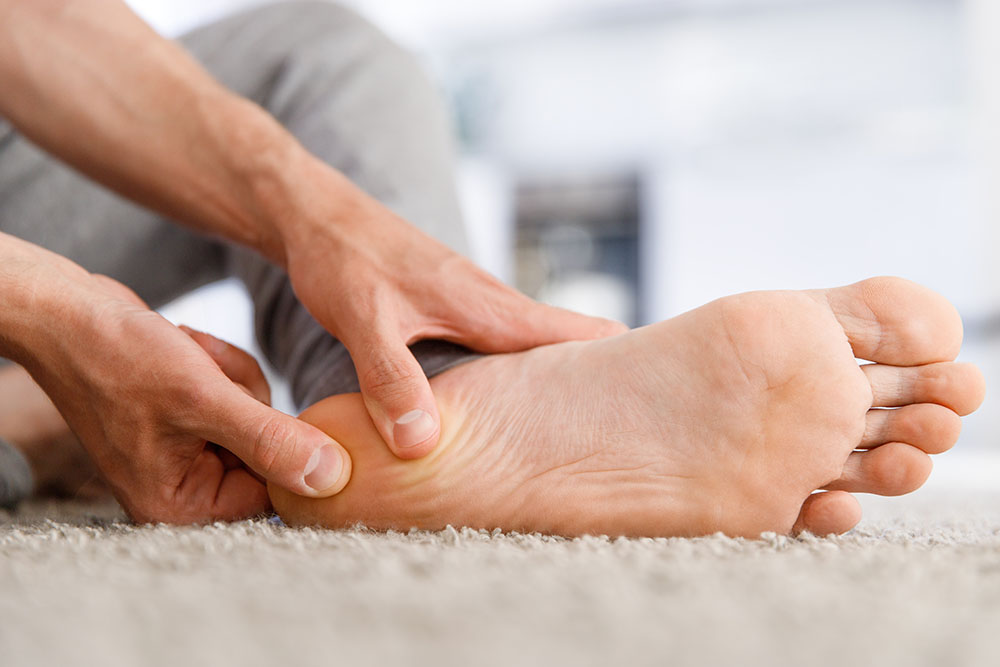
Plantar fasciitis is the most common cause of heel pain. It involves inflammation of the plantar fascia, the thick band of tissue that runs along the bottom of the foot from the heel to the toes. Chronic strain causes tiny tears where the fascia attaches to the heel bone, leading to pain that can disrupt daily walking and exercise. The podiatrists at Foot Centers of Maryland treat plantar fasciitis every day for patients in Baltimore, Glen Burnie, Timonium, and Reisterstown, MD.
Request an AppointmentCommon Causes and Risk Factors
- Foot Structure: Flat feet (overpronation) and high arches both stress the fascia unevenly.
- Weight: Extra body weight increases the load on the feet.
- Activity: Sudden increases in running, walking, or athletic activity.
- Tight Muscles: Tight calf muscles and Achilles tendons limit ankle motion and increase strain on the fascia.
- Occupation: Jobs that require long hours of standing or walking on hard surfaces.
- Footwear: Shoes with poor arch support or thin, worn-out soles.
Recognizing the Telltale Symptoms
- First-Step Pain: Sharp, stabbing heel pain with the first steps in the morning or after sitting.
- Activity-Related Pain: Pain that may ease after walking a bit, then returns after long periods of standing.
- Tenderness: Localized soreness on the bottom, inner side of the heel.
Untreated plantar fasciitis can progress to constant pain. Because other conditions can also cause heel pain, an accurate diagnosis is important.
Targeted Treatment Strategies
Most patients improve with conservative care. Our treatment plans focus on rapid and lasting recovery:
- Custom Orthotics: The gold standard for supporting the arch and limiting excessive strain, crucial for long-term correction.
- Strapping and Taping: Short-term support to relieve tension on the fascia.
- Night Splints: Keeping the fascia and calf gently stretched while you sleep.
- Stretching and Physical Therapy: Specific exercises to lengthen the calf and fascia.
- Anti-Inflammatory Care: NSAIDs and corticosteroid injections to calm inflammation.
- Shockwave Therapy (EPAT): A highly effective, non-invasive option for chronic cases that stimulates tissue healing.
- Surgery: A plantar fascia release may be considered if months of conservative treatment fail.
Tips for Preventing Plantar Fasciitis
Wear supportive shoes with good arch support, replace athletic shoes regularly, stretch your calves daily, avoid going barefoot on hard floors, and increase your activity level gradually. Runners and active adults can also benefit from our sports medicine care.
Plantar Fasciitis FAQs
What is plantar fasciitis?
Plantar fasciitis is inflammation of the plantar fascia, the band of tissue along the bottom of the foot, which causes pain at the bottom of the heel.
Why does plantar fasciitis hurt most in the morning?
The fascia tightens overnight, so the first steps in the morning stretch it suddenly and cause sharp pain.
How long does plantar fasciitis last?
With proper treatment, many patients improve within a few months. Chronic cases may need advanced treatment such as Shockwave Therapy.
Are custom orthotics good for plantar fasciitis?
Yes. Custom orthotics are one of the most effective long-term treatments because they support the arch and reduce strain on the fascia.
Do I need surgery for plantar fasciitis?
Surgery is rarely needed. Most patients recover with conservative care, and surgery is reserved for cases that do not respond to months of treatment.
Is Shockwave Therapy effective for plantar fasciitis?
Yes. Shockwave Therapy is highly effective for chronic plantar fasciitis and is non-invasive with no downtime.
What stretches help plantar fasciitis?
Calf stretches, plantar fascia stretches, and rolling the foot over a frozen water bottle can help. Your podiatrist can show you the right technique.
Stop Plantar Fasciitis Pain for Good
Do not let heel pain control your mornings. Call (410) 844-4700 - Overlea Office, Mercy Office, Reisterstown Office, Glen Burnie Office, or Lutherville Office or request an appointment at our Overlea, Mercy, Glen Burnie, Lutherville, or Reisterstown office.